


Spring is springing in South Africa and with the change of seasons a new selection of spring fruit comes into bloom. You may think that since fruit is usually available all year that buying and using fruit seasonally is not important. But it is.
Fruits that are in season cost less and since they don’t have to be flown from halfway across the world it’s more environmentally friendly. Seasonal fruit also taste better, because they’ve been ripened naturally by the weather conditions that they’re most suited to and haven’t been refrigerated for extended periods of time.
Spring fruit in South Africa start to come into season in September and carry on through until November. To take advantage of the shift in season to the fullest here is a list of the most common spring fruits in South Africa and what you can do with them. From preserves to skin care this list is something to suit everybody and will teach you to maximize on spring time.
Avocados
Avocados are a great addition to many recipes and they have many other wonderful qualities too. Avocados can be added to meals to give your meals a nutritional boost with as little as 28 grams containing huge amounts of healthy fats, fiber and proteins that have been shown to have benefits for heart health, weight control and healthy aging. Use avos in your day to day by substituting regular spreads like butter and margarine with avocados instead, as a delicious guacamole or try it out as a beauty product (you can see a list of ways to use avo as a beauty product here.)

Bananas
Bananas are one of those fruits always lingering around my kitchen but it doesn’t take long before they start getting covered in brown spots.You might not care for mushy bananas but whatever you do don’t toss them out, there are quite a few creative and delicious ways to use them up. Banana bread and banana muffins are the best when it comes to using up overripe bananas or add them to smoothies and milkshakes. For breakfast take that overripe banana, mash it up with a fork, and stir it into your warm bowl of oats or blend and freeze them to create the best vegan ice cream ever.
Cape gooseberry
This unusual fruit is named as Cape gooseberry because it is first cultivated right here in the Cape of Good Hope. Elsewhere in the world it is known as the It is known as Peruvian ground cherry, Peruvian cherry, golden berry, Chinese lantern or Inca berry. Cape gooseberries have abundant Vitamin C much, much more than lemons! Not only is Vitamin C good for your skin, but it also helps in boosting your immunity. Low in fat and calories, a handful of cape gooseberries make for a great snack or a meal filler to support your weight loss goals or liven up a dull salad by tossing them in a bowlful of fruit or veggies.You can have them fresh as a healthy diet friendly snack or use them as a topping for desserts or in puddings.
Cherries
Cherries are loaded with antioxidants, known to promote bone health, and are a GREAT source of fiber. Cherries freeze really well, and you can use them throughout the year in smoothies, cobblers or pies. Dried cherries are wonderful in homemade granola, grain salads, and baked goods. Boozy cherries make a fine garnish for cocktails and ice cream – and you wind up with cherry-infused liqueur, too, I personally especially enjoyed bourbon-soaked cherries.
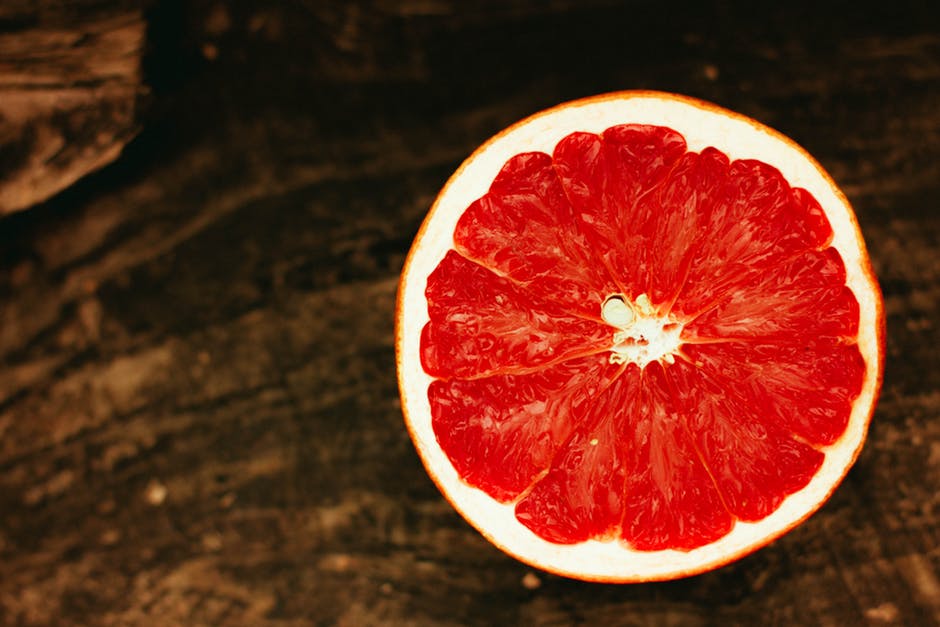
Grapefruit
Grapefruit’s sweet-tart flavor can brighten everything from ice cream to fish tacos. Pink or ruby grapefruits are particularly popular because of their balance of sweet and tartness. Use them in salads to add a touch of citrus, you can blend and freeze them to create refreshing popsicles for hotter days or juice them to flavour a delicious spring cocktail.
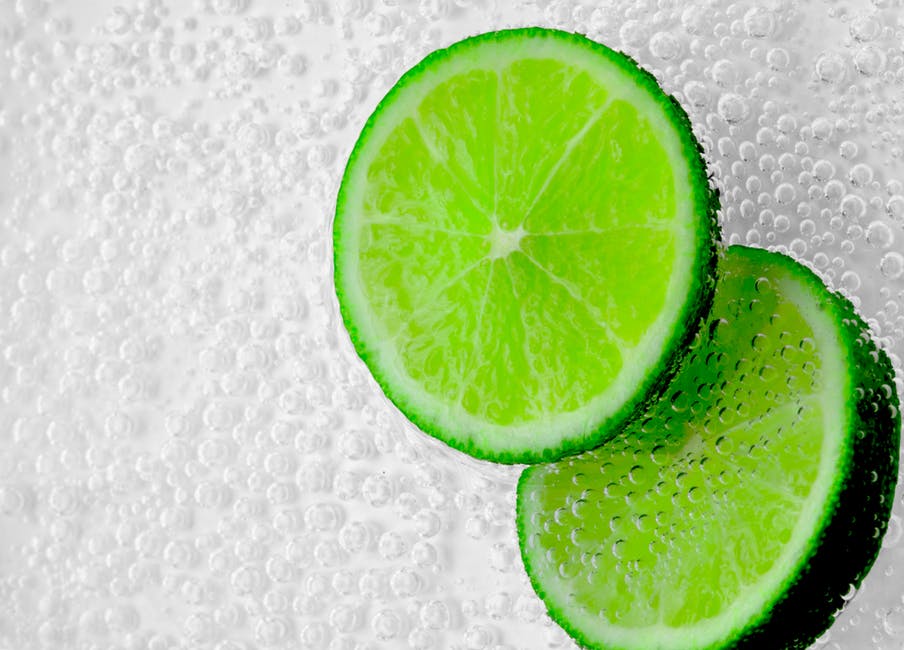
Limes
Limes aren’t only useful cocktails, they can also be used in skincare and as a weight loss aid. Limes are low in calories and contains citric acid, which is a great fat burner and splashing some lime juice on your skin to keep it rejuvenated, bright, and protected from infections. Cut your limes into slices and place them inside a cup of hot water, along with some honey, for a soothing hot drink packed with Vitamin C or they also goes brilliantly with fish, seafood, or to compliment the heat of spicy foods.
Mulberries
Mulberries are another South African favourite. While they are rather mild in flavour they are chock full of nutrients and low in calories and a cup of raw mulberries contains only 60 calories, making them a light and tasty snack, Consuming mulberries increases your iron intake and ensures ample supply of oxygen to the tissues. Find your favorite blackberry recipe and substitute mulberries instead but remember–they’re not as sweet. Use them to make a delicious mulberry smoothie, granola, jam, jelly or even mulberry wine!
Naartjies
Naartjies possess both sweet and tart flavours and these citrus fruits have relatively low glycemic index score meaning they won’t spike your blood sugar as much as some other foods. The inner part can be divided into segments for easy consumption. Naartjies are great for skin care as they have the capability of lightening dark spots and hyper-pigmentation and so consuming them regularly helps to create healthy and glowing skin. Like other citrus fruits naartjies are best out to use in marmalade’s, salads or desserts but they also pair really well with rich red meats.
Pawpaw
Paw paw has many dietary benefits, they are high in vitamins, minerals, dietary fibre and antioxidants. Paw paws come into season in September and contain natural cleansing properties that help clear the skin off impurities. The rich content of vitamin C which is contained in it helps to protect the skin against sun damage and fights against pimples and acne. Nothing really beats eating a paw paw fresh but try it in a kombucha, vinegar or turn it into a delicious sorbet.
Peaches
If you’re heading to the market looking for spring fruit there’s nothing better than peaches. Choose peaches with a fresh and floral aroma. The flesh should yield a bit when pressed gently, so avoid any peaches that are rock-hard or mushy. You’ve probably had grilled vegetables more times than you can count, but how about grilled peaches? Another way to play up the sweet-and-savory combination is to use peaches as a topping for boneless, skinless chicken breast, glaze or in sangria.
Spanspek
These melons were soon known as the ‘Spanish bacon’, or ‘die Spaans se spek’ in Afrikaans. This tasty, although odd looking, melon is packed with nutrients especially loads of beta carotene. Once eaten, beta carotene is either converted into vitamin A or acts as a powerful antioxidant to help fight free radicals that attack cells in your body. A high-fiber diet may reduce your risk of heart disease and diabetes, and help you lose weight by making you feel fuller longer. When choosing a ripe spanspek, look for one that is symmetrical and feels slightly heavy. The color should be a creamy, light yellow-orange, and there should be little to no green. Try spanspek smoothie, spanspek salad, sorbet or even roasted.

Strawberries
Strawberries are the sweetest of spring fruit and I always get a little giddy when they come into season. Strawberries are also packed with vitamin C and they are among the top 20 fruits in antioxidant capacity Make them into jams, sorbets, ice cream (try my easy homemade strawberry ice cream here) or use them to flavour liqueur to make cocktails. Top oatmeal or cereal with sliced strawberries for the perfect morning treat or drop them into a glass of champagne or prosecco. Have an at-home spa day with a strawberry face mask. Strawberries are nature’s perfect exfoliant and are packed with Vitamin C or stick to the basics – a strawberry crumble is just the ticket to a good day.
I hope this helps you to make the most of the delicious fruits of the season and I would love to hear how you use spring fruit in the comments.

